
Understanding Luck in Gambling
Luck is often regarded as a crucial element that dictates the outcomes in a casino environment. However, the concept of luck is not straightforward; it is complex and multifaceted. Many individuals step into casinos harboring the belief that they can somehow capture or enhance their luck, leading to the adoption of various rituals, strategies, or even personal tokens considered lucky, such as the neosurf casino method. This subjective interpretation of luck can create a sense of empowerment, making players feel as though their actions can influence their fate, even in games that are predominantly governed by chance.
In reality, luck is rooted in statistical probabilities, which differ across various games. For example, in purely random games like roulette or slot machines, the outcomes are determined exclusively by chance, meaning no skill can alter the results. On the other hand, games such as poker involve a blend of skill and luck, where players must make tactical decisions based on incomplete information about their opponents. This unique mix provides a framework in which luck can be partially quantified through player skill and the dynamics of the game.
The perception of luck can also vary significantly across different cultures and societies. In certain cultures, specific numbers or symbols may be deemed especially lucky, which can directly influence betting behaviors and strategies. This cultural perspective contributes to diverse interpretations of luck and winning strategies across different regions and demographics. Therefore, while luck undeniably plays a major role in the casino landscape, it remains a complex interplay of personal belief, cultural influences, and statistical realities.
The Role of Probability and Statistics
In the realm of casinos, the principles of probability and statistics form the foundation upon which the concept of luck is built. Each game operates with established odds that dictate the likelihood of winning or losing. For instance, in blackjack, the probability of achieving a natural blackjack compared to the dealer’s potential outcomes showcases the mathematical principles that underlie the game, effectively providing a means to measure luck. This analytical perspective invites players to view luck through a more structured lens, opening avenues for strategic thinking.
Casinos cleverly leverage these statistical probabilities to maintain a profit margin known as the house edge. This edge varies from game to game and represents the reality that luck alone cannot secure consistent success. While players may experience streaks of short-term luck, statistical analysis consistently demonstrates that over extended periods, outcomes will ultimately favor the house. A thorough understanding of these odds enables players to make better-informed decisions, which can significantly influence their perception of luck and success in the casino.
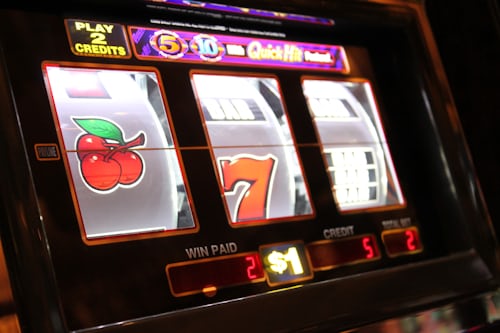
Furthermore, the application of probability extends to how experienced players can mitigate the impact of luck. For example, in poker tournaments or sports betting, knowledgeable players utilize their understanding of probability to make informed bets that reduce the variance attributed to luck. This indicates that while luck may have an influence on individual outcomes, its overall effects can be somewhat controlled through skill, strategy, and experience, allowing players to navigate the gaming landscape more effectively.
Psychological Influences on Perceived Luck
The psychological dimensions of gambling play a substantial role in shaping perceptions of luck within casinos. Many players exhibit cognitive biases that distort their understanding of luck and probabilities. A common example is the Gambler’s Fallacy, where individuals mistakenly believe that previous outcomes will influence future results. For instance, after experiencing a series of losses, a player may feel they are “due” for a win, disregarding the statistical independence of each event. This misjudgment highlights how psychological factors can cloud a player’s understanding of their luck.
Additionally, players often encounter phenomena labeled as “hot streaks” or “cold streaks.” These experiences arise from sequences of wins or losses, leading players to feel as though their luck has shifted. Although these perceptions can create emotional highs or lows, statistically, each event remains independent of the last. Such psychological engagement can lead to emotional investments in perceived luck, which in turn affects playing habits and betting behaviors. Recognizing these psychological influences can be pivotal in maintaining a balanced approach to gambling.
By understanding the psychological aspects of gambling, players can learn to manage their expectations and emotions more effectively. Acknowledging the random nature of outcomes enables players to approach gaming with a clearer mindset, ultimately fostering more rational decision-making. This psychological clarity, when combined with an understanding of game odds, empowers players to navigate the complexities of casinos while gaining a better grasp of the limitations imposed by luck.
Luck vs. Skill: A Delicate Balance
The intricate relationship between luck and skill in gambling can be viewed as a spectrum rather than a simple dichotomy. While many casino games, such as slots or roulette, are predominantly luck-driven, others, like poker and blackjack, demand significant skill to navigate effectively. This mixture creates a fascinating dynamic where skilled players strive to leverage their knowledge to minimize luck’s influence, especially over the long term. This strategic approach can often mean the difference between short-term wins and sustained success.
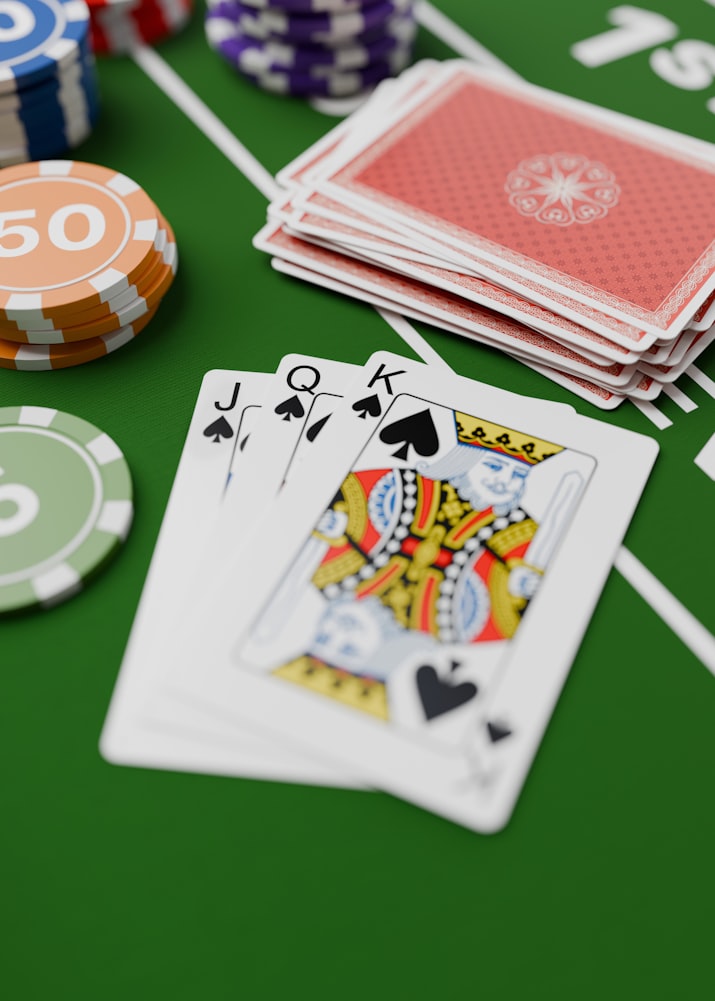
For example, a proficient poker player will apply strategies grounded in statistical analysis, opponent behaviors, and pot odds to maximize their chances of winning. This contrasts sharply with players who rely solely on luck, as the latter may enjoy fleeting successes but often struggle to maintain their winning streaks. The delicate balance between luck and skill illustrates how some individuals can enhance their outcomes through informed decision-making, ultimately leading to more favorable results over time.
Moreover, in the realm of sports betting, while luck may factor into the unpredictability of outcomes, a knowledgeable bettor understands how to analyze statistics, team performance, and external conditions. This analytical approach leads to more strategic betting decisions, altering the relationship between luck and skill. Therefore, it becomes evident that while luck remains an essential component of gambling, the introduction of skill offers a degree of control that can significantly lessen reliance on chance, transforming the gaming experience.
Conclusion and Final Thoughts
In conclusion, the measurement of luck in the casino is a nuanced concept, intricately woven into the fabric of probability, psychology, and skill. Recognizing the statistical foundations of various games can empower players, equipping them with the insights necessary to navigate their gambling experiences more effectively. By understanding the inherent limits imposed by luck, players can make more educated decisions that may enhance their overall gaming skills and enjoyment.
Furthermore, the psychological dynamics of gambling underscore the significance of managing expectations and emotional responses. By navigating these psychological influences, players can cultivate a healthier relationship with gambling, allowing them to enjoy the experience without falling prey to cognitive distortions. Ultimately, the journey through a casino is characterized by this intricate balance of luck and skill, making each visit a distinct and engaging experience.
As you delve into the world of casinos, remember that while luck is an undeniable factor, integrating it with knowledge, strategy, and self-awareness can lead to more fulfilling experiences. The quest for understanding luck within the casino environment is not only about developing a better approach to gaming but also about enriching your overall enjoyment and engagement with the games you love.