
Understanding the psychological traps of gambling behavior
The Allure of Gambling
The world of gambling is often shrouded in excitement and anticipation, drawing individuals in with the promise of quick rewards. This allure can be attributed to the brain’s response to risk and reward, which can be intoxicating. This is why many players turn to new online canadian casinos, seeking out platforms that heighten this thrilling experience. As individuals place their bets, they experience a surge of dopamine, a neurotransmitter associated with pleasure and satisfaction. This creates a compelling feeling that keeps players returning for more, despite the risks involved. Beginners may not fully comprehend that this initial thrill can quickly lead to an obsession.
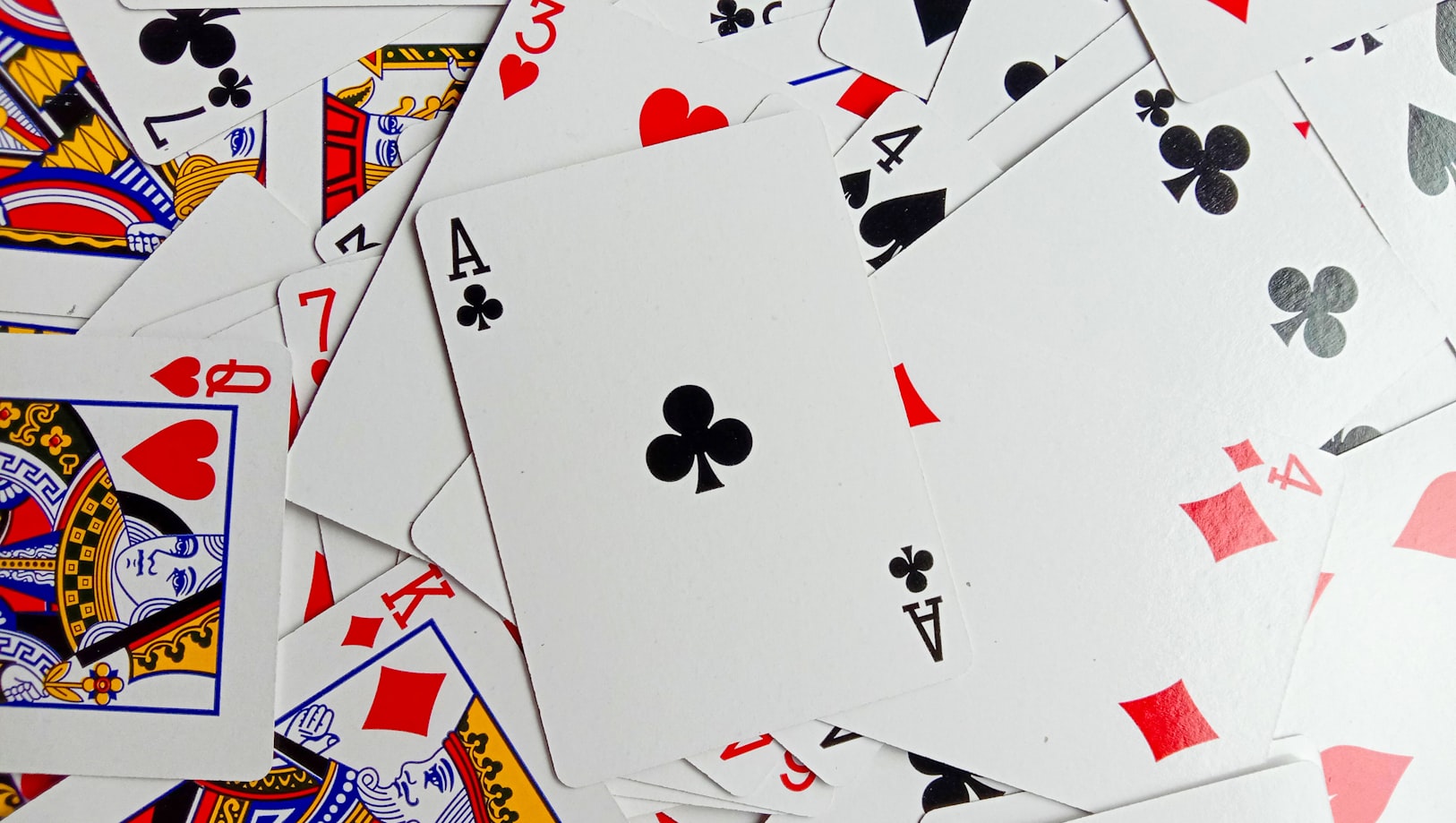
The allure of gambling also takes root in the social aspect of the activity. For many, the casino environment is enticing; the lights, sounds, and the energy of others can create a communal sense of excitement. Social interactions can further amplify the desire to participate, as people often engage in gambling as a form of entertainment with friends or family. This social acceptance can obscure the dangers of gambling, making it feel like a safe, enjoyable pastime rather than a potential problem.
Additionally, advertisements and marketing strategies employed by gambling establishments often portray a glamorized version of the lifestyle associated with winning. They focus on success stories, highlighting winners while downplaying the frequency of losses. This creates a distorted perception of reality for novice gamblers who may believe that winning is the norm rather than the exception. This belief can lead to risky behavior, as beginners may chase losses in hopes of recapturing their initial investment.
Cognitive Distortions in Gambling
Cognitive distortions are patterns of thought that can contribute to unhealthy behaviors, particularly in gambling. One common distortion is the “gambler’s fallacy,” where individuals believe that past events will influence future outcomes. For instance, a player may think that because a particular number has not come up in a while, it is “due” to win soon. This misconception can lead to increased betting and a false sense of control over random outcomes, ultimately resulting in significant losses.
Another prevalent cognitive distortion is overconfidence, where players mistakenly believe they possess superior skills or strategies that will guarantee success. This belief can often stem from a few lucky wins, leading individuals to underestimate the inherent risks of gambling. Overconfidence can make players resistant to advice or statistics that contradict their views, fostering a dangerous cycle of continued betting and escalating losses.
Lastly, the illusion of control is a significant psychological trap. Many gamblers perceive they have control over random events, such as slot machines or card games, when in reality, these outcomes are purely chance-based. This false sense of control can lead individuals to make irrational decisions, such as increasing their bets or continuing to gamble after experiencing losses. Recognizing these cognitive distortions is essential for understanding and mitigating harmful gambling behaviors.
The Role of Emotion in Gambling
Emotions play a critical role in gambling behavior, often dictating how individuals react to wins and losses. For example, the euphoric feeling of winning can lead to reckless behavior, where players chase the high by increasing their bets or extending their gaming sessions. Conversely, experiencing a loss can trigger negative emotions such as frustration or anger, prompting individuals to gamble more in an attempt to recover their losses. This cycle of emotional highs and lows can create a volatile gambling environment that is difficult to escape.
The emotional impact of gambling is compounded by personal circumstances. Individuals facing stressors in their lives, such as financial difficulties, relationship problems, or work-related stress, may turn to gambling as a means of escape. This coping mechanism can lead to a dangerous spiral where gambling provides temporary relief but ultimately exacerbates existing problems, creating a harmful feedback loop that is hard to break.
Additionally, the stigma surrounding gambling addiction can prevent individuals from seeking help. Many individuals may fear judgment from friends and family, leading them to conceal their gambling habits. This secrecy can intensify feelings of isolation and despair, making it even more challenging to acknowledge the need for intervention. Addressing the emotional aspects of gambling is crucial for both prevention and recovery, ensuring that individuals are equipped to make healthier choices.
Understanding Risk and Reward Dynamics
The dynamics of risk and reward are fundamental to understanding gambling behavior. When individuals place a bet, they are engaging in a calculated risk, weighing the potential rewards against the likelihood of loss. This calculation can become skewed when players fail to accurately assess probabilities, often leading to risky decisions that are more influenced by emotion than logic. For many beginners, the excitement of potential rewards can overshadow the risks, creating an illusion of favorable odds.
This misjudgment is exacerbated by the presence of near-misses, which can falsely signal to players that they are close to winning. For instance, if a player comes close to hitting a jackpot, they may feel encouraged to continue gambling, believing that victory is imminent. This phenomenon can create an addictive cycle, where players continuously chase that elusive win, often leading to greater financial losses.
Understanding risk and reward is not just about math; it also involves recognizing the psychological elements at play. As players become more attuned to their emotions, they can better navigate the ups and downs of gambling. By developing a more analytical mindset and being aware of their emotional triggers, individuals can make more informed decisions, ultimately fostering healthier gambling practices and reducing the likelihood of falling into dangerous traps.

Your Guide to Responsible Gambling
For those seeking to engage in gambling while mitigating risks, understanding the psychological traps is essential. The first step toward responsible gambling is self-awareness. Individuals must recognize their triggers, emotions, and cognitive distortions, allowing them to set realistic expectations for their gambling experiences. This self-awareness can empower players to make informed choices and establish boundaries around their gambling activities.
Additionally, utilizing available resources can provide crucial support. Various organizations offer guidance, counseling, and tools for managing gambling behavior. These resources can help individuals better understand their habits, develop coping strategies, and seek professional assistance if necessary. Engaging in discussions about gambling with friends and family can also create an environment of accountability and support.
Ultimately, responsible gambling hinges on recognizing the fine line between entertainment and obsession. By equipping themselves with knowledge, individuals can enjoy gambling as a fun activity without letting it dictate their lives. Through education and support, players can build a healthier relationship with gambling, ensuring it remains a source of enjoyment rather than a source of distress.